एआई के दौर में भी इंदौर की अनंतचतुर्दशी परंपराओं की रात… प्रशासन की जिम्मेदारी
इंदौर (अक्षय जैन)। परंपराएं समय के...

सही खबर……सही असर…. Proud To Be First E-News portal of Madhya Pradesh….




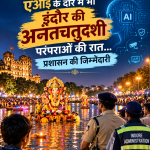
इंदौर (अक्षय जैन)। परंपराएं समय के...
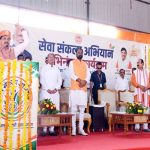
मुख्यमंत्री डॉ. मोहन यादव ने कहा...
मुख्यमंत्री डॉ. मोहन यादव ने कहा...
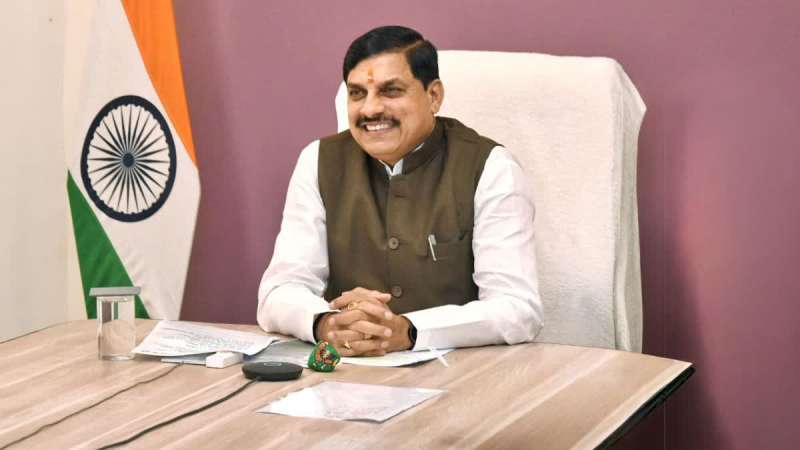
Under the leadership of Dr. Mohan Yadav, Madhya Pradesh state is following a harmonious itinerary of industrial growth, investment phase, cultural revival grand Simhasth Mahakumbh preparations and welfare-driven development; all the same, the long-term success of this vision will bet on effective implementation, job creation, and sustainable economic management aiming the Abhyudaya Sate in line with Modi’s India 2047’s Vishwaguru Vision.
On the occasion of the birthday of Dr. Mohan Yadav, it is both appropriate and analytically relevant to assess the trajectory of governance in Madhya Pradesh under his leadership. The state today finds itself at a decisive juncture, where policy innovation, economic ambition, and cultural resurgence are being woven together into a broader developmental framework aligned with the national aspiration of achieving a developed India by 2047.
Dr. Yadav’s governance model is marked by a conscious effort to reposition Madhya Pradesh as a competitive economic terminus. Historically perceived as a resource-rich yet under-industrialized state, Madhya Pradesh is now actively endeavoring to transmute its economic indistinguishably. Through reforms focused on improving the “Ease of Doing Business”, Streamlining Administrative procedures, and offering sector-specific incentives, the state government has created an enabling environment for investment.Madhyapradesh has never seen regional investment summit and the CM himself unmoving for hours facilitating Single Window convenience to Job creators. Large-scale investor outreach programs and policy stability have resulted in investment proposals worth several lakh crore rupees across sectors such as manufacturing, renewable energy, logistics, and agro-processing etc.The wellness sectors summit was exceptional among all. Notwithstanding, the sustainability of this momentum will rely on the timely execution of these projects that will surely generate employment at scale.
In parallel, the education sector has emerged as a critical pillar of long-term development strategy. All characters of development must be corroborated by a skilled workforce, the government has focused on stepping-up educational infrastructure and expanding access to quality learning. The launch of State AI Mission one of enhanced collaborative step in it covering governance, education , citizen services and focusing all sectors even disaster management health agriculture. Initiatives promoting digital education, vocational training, and industry-linked skill development are gradually reshaping the state’s human capital landscape. Still, structural challenges remain, particularly in addressing disparities between urban and rural education systems and ensuring consistent quality across institutions. The success of these reforms will ultimately hinge on their ability to produce a workforce that is adaptable, skilled, and aligned with emerging economic demands.
A distinctive feature of the current administration is its emphasis on integrating cultural heritage with economic development. Projects such as the Ram Path Gaman and Shri Krishna Patheya, Extended Mahakal Mahalok, Devi Lok , Shani Lok, Pashupatinath Lok etc corridors exemplify a strategic approach to leveraging India’s civilizational legacy for religious tourism-driven growth. These initiatives are designed not only to facilitate religious tourism but also to create economic opportunities for local communities along these routes. By aligning these corridors with broader pilgrimage circuits connected to Ayodhya and other significant destinations, Madhya Pradesh is positioning itself as a central hub in India’s spiritual tourism network.
The city of Ujjain occupies a pivotal role in this cultural and tourism strategy. As one of India’s most ancient and sacred cities, Ujjain is witnessing significant infrastructural and urban development. Investments in riverfront beautification, improved connectivity, and advanced crowd management systems are aimed at enhancing the experience of pilgrims and tourists. With Madhya Pradesh already attracting more than 10 crore tourists annually, such focused interventions are expected to further boost tourism inflows. However, this rapid expansion must be carefully managed to ensure environmental sustainability and the preservation of the city’s historical character.
On the social welfare front, the government has introduced initiatives aimed at fostering inclusive development, particularly for women. The Ladli Behna Yojana stands out as a flagship program in this regard. Providing monthly financial assistance of ₹1500 to over 1.25 crore female workforce of state, the scheme represents a significant step towards enhancing financial inclusion and economic security. With an estimated annual outlay exceeding ₹23,000 crore, it is among the largest direct benefit transfer- DBT programs in the state being ideal to all states. Early observations indicate that the scheme has contributed to improved household consumption patterns and increased financial autonomy among beneficiaries. Nevertheless, ensuring the long-term fiscal sustainability of such programs remains a critical policy consideration.
Dr. Yadav’s leadership reflects a broader attempt to harmonize economic growth with social equity. Industrial expansion, investment promotion, and infrastructure development are being pursued alongside targeted welfare initiatives, creating a governance model that seeks to balance macroeconomic objectives with grassroots realities. This approach is closely aligned with the national vision articulated for India’s development by 2047, emphasizing inclusive growth, technological advancement, and cultural confidence.
At the same time, governance at this scale inevitably involves complex trade-offs. Rapid industrialization must be balanced with environmental concerns, welfare expenditure must be aligned with fiscal discipline, and cultural initiatives must remain inclusive in their outreach. The effectiveness of Dr. Yadav’s policies will depend not only on their design but also on the robustness of implementation mechanisms and institutional capacity.
A notable aspect of the current administration is its forward-looking orientation. Investments in infrastructure, digital governance, and sectoral diversification indicate a recognition of the evolving economic landscape. The emphasis on tourism, particularly spiritual and cultural tourism, reflects an understanding of the state’s unique strengths. By combining traditional heritage with modern infrastructure, the government is attempting to create a development model that is both rooted and progressive.
As one policy observer aptly remarked, “The true measure of governance lies not in announcements, but in outcomes that improve everyday lives.” This observation underscores the central challenge facing Madhya Pradesh today. While the policy direction appears comprehensive and ambitious, its success will ultimately be judged by tangible improvements in employment, income levels, and quality of life.
In conclusion, Madhya Pradesh under Dr. Mohan Yadav is undergoing a phase of significant transformation. The convergence of industrial policy, educational reform, cultural revitalization, and social welfare initiatives reflects a holistic vision for the state’s future. As these efforts unfold, the coming years will be crucial in determining whether this vision translates into sustained and inclusive prosperity. On the occasion of his birthday, this moment of reflection highlights not only the achievements so far but also the challenges and opportunities that lie ahead in shaping a developed Madhya Pradesh within the broader framework of India’s journey towards 2047.
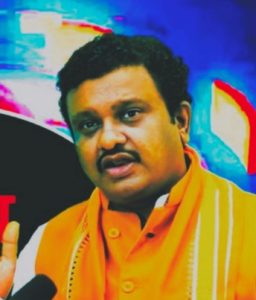
Gaurav Dhakad is a Thinker and Social worker working closely with various ministries of the Government of India. former provincial office bearer of ABVP (Delhi and Madhya Pradesh) and Pragya Pravah, Academic Secretary of DUSU, and currently represents Raj Bhavan in a state-level university.